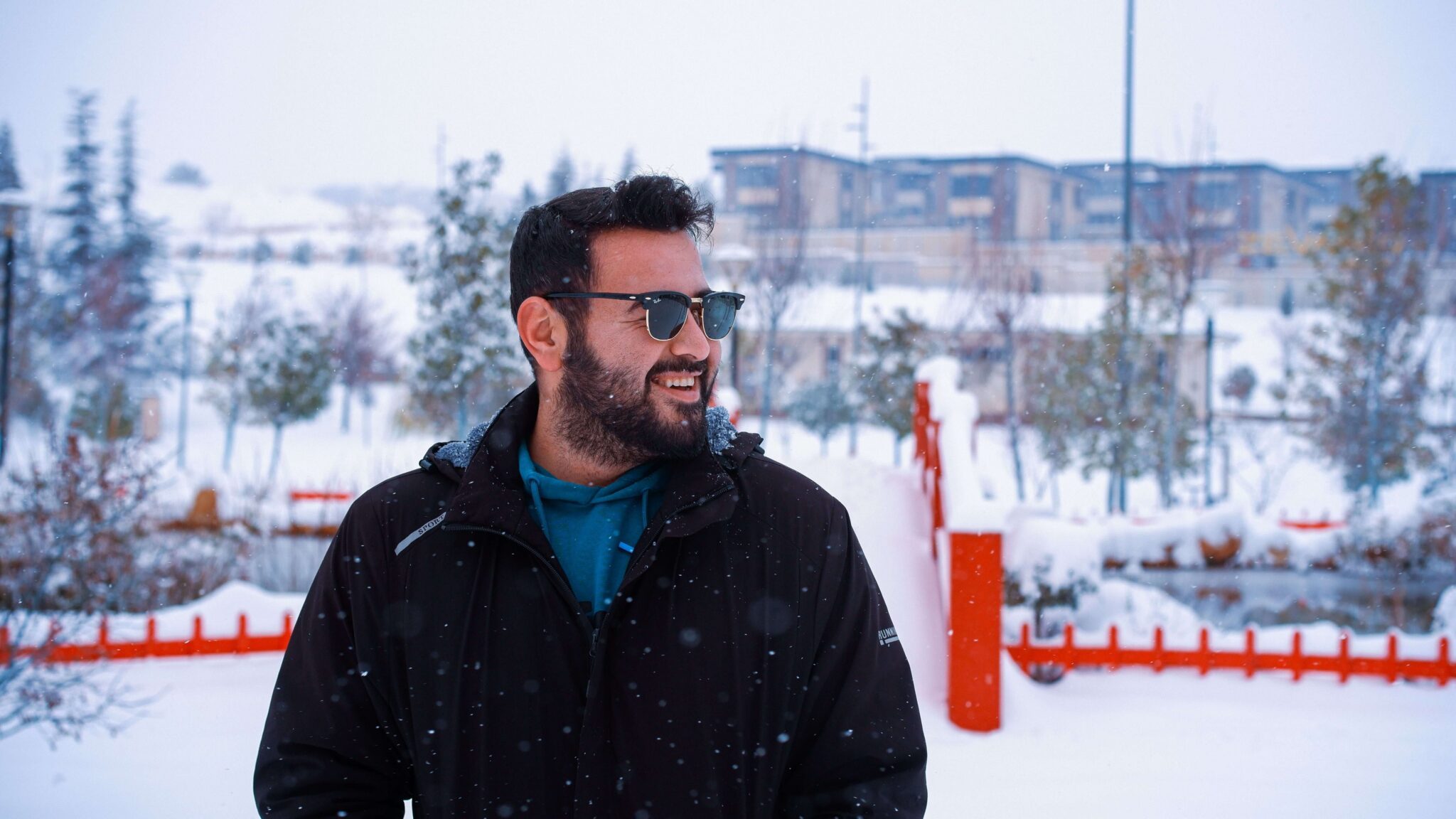
Most people put their sunglasses away once the leaves drop. In Alberta, that’s right when the ground starts working against your eyes. Clean, fresh snow can reflect up to 80% of the sun’s UV rays, so on a bright winter day, UV hits your eyes off the sky and the snow at the same time. UV sunglasses are the simplest fix, but not every pair does the job. Lens colour, polarization and frame shape all play a part, and some of the most common assumptions about them are wrong. Here’s what to know before your next sunny day on the snow.
How Much UV Does Snow Reflect Into Your Eyes?
Clean, fresh snow can reflect up to 80% of UV radiation on a sunny day. That means your eyes get hit twice: once by the sun and again by the light bouncing back up off the snow. Cold weather doesn’t lower the risk. UV radiation can’t be seen or felt, and levels can stay high on a frosty morning, so a -20°C day can feel harmless while your eyes soak it in. Altitude adds more. UV levels rise 10 to 12% with every 1,000 metres you climb, so a bluebird ski day in the Rockies stacks both problems at once.
What Does Snow Blindness Feel Like?
Snow blindness is a sunburn on the surface of your eye, and it often feels like there’s sand in it. The medical name is photokeratitis, and it happens when UV reflects off snow or ice. The tricky part is the delay. Symptoms can show up anywhere between 30 minutes and 12 hours after exposure, so you can feel fine on the hill and only notice it hours later. Expect pain, a gritty feeling, watery eyes, light sensitivity, eyelid spasms and blurry vision, or even a temporary loss of vision. It usually clears up within two days. If the pain or vision loss lasts longer than 48 hours, see an eye care professional.
Do Polarized Sunglasses Block UV?
Not on their own. Polarization and UV protection are two separate features, and a lens can have one without the other. Polarized lenses cut the flat, reflected glare that bounces off a snowy field, which makes it easier to see clearly and judge depth. UV protection is what blocks the rays behind snow blindness. For an Albertan winter, you want both. Check the label for UV400 or 100% UV protection first, then look for polarization on top of it. Health Canada notes that polarized lenses are a good fit for driving and outdoor activities in the snow.
Does a Darker Lens Mean Better UV Protection?
No. The Canadian Association of Optometrists says a lens’s darkness, colour and price don’t tell you anything about its UV protection. A very dark lens with no UV label gives you no guarantee at all. Darkness is about comfort. For bright snow, Health Canada suggests medium to dark lenses with a grey, brown or green tint, as long as they aren’t so dark that they reduce your vision. Price isn’t the deciding factor either. For most people, a low-cost pair with UVA and UVB protection does the job, as long as the label backs it up.
Why Do Wraparound Frames Matter on Snow?
Light reflected off snow doesn’t only hit you head on. It can slip in around the edges of a flat pair of frames. Health Canada says close-fitting or wraparound sunglasses help stop that stray light at the sides, and snug goggles do the same job on the ski hill. If you wear prescription glasses, you can still get the coverage. Prescription lenses can be fitted into sunglasses or goggles, so you can see clearly and stay protected. UV-blocking contact lenses help too, but they only cover part of the eye, so pair them with a good set of wraparounds.
Where Can You Get UV Sunglasses in Alberta?
The Eye Wearhouse carries UV sunglasses and has more than 3,000 frames in stock, with opticians that can help you find a pair that suits your face and the harsh Albertan climate. Ask about UV400 protection, polarized lenses and wraparound styles that sit close to your face. If you need a prescription, lenses are cut in the on-site lens edging lab to match your prescription and the frame you choose. Not sure your prescription is current? Book an adult vision test for $99 before you pick your pair.
Snow can reflect up to 80% of UV, so your sunglasses belong in your winter jacket pocket as much as your beach bag. The right pair blocks UV, cuts glare and covers your eyes at the sides. Look for a UV400 or 100% UV label, add polarization for the glare and pick a close-fitting frame. Visit The Eye Wearhouse to try on UV sunglasses and find a pair made for snow days, ski trips and every bright winter drive in between.